WishingUWell Insights

We’re not only consultants—we’re here to help you with all-things Amazon.
Read our blog to get your questions answered.

Do you often find yourself baffled by the slew of Amazon acronyms? You’re not alone! In this blog, we will delve into Amazon’s product identifier requirements to demystify these puzzling abbreviations.

What is an ASIN?

The Amazon Standard Identification Number, or ASIN, is a unique 10-digit, alphanumeric code that identifies Amazon-specific products. You can’t sell your products on Amazon without this number.

Getting to Know GS1

Now, let’s explore GS1. It is a not-for-profit organization that maintains standards for product barcodes and identification. Think of it as the guardian of order in the world of commerce. It allows you to track your products across platforms to help reduce duplicate listings and support a safer, more efficient supply chain. If you are in the US you can become a member of GS1 like WishingUWell and have access to data management tools, educational resources, and member support. Visit https://www.gs1us.org to join.

Understanding the UPC

A UPC, or Universal Product Code, is a unique barcode that is specific to an individual product. It is linked to a GTIN, or Global Trade Item Number, which is found below the barcode. In simpler terms, those numbers and bars on the products you buy serve as a unique fingerprint. This code helps everyone, including Amazon, track products, manage inventory, and ensure accurate online shopping experiences.

The GS1-Amazon Connection

It’s essential to mention Amazon’s relationship with GS1. When it comes to UPCs, you must purchase them from GS1 if you intend to sell on Amazon. Using UPCs from other sources may lead to problems up to and including potential product selling restrictions on Amazon. While cutting corners with non-GS1 UPCs may seem like the easier option, it can result in your being forced to abandon a well-established product listing and start over with a new ASIN. No one wants to go through the grueling process of rebuilding an ASIN, not to mention that it could cost you and your products meaningful product reviews and marketplace traction, and drastically increase advertising costs.
The fast-paced world of e-commerce and its wide variety of sales terms can feel like an impenetrable maze. But fear not! Adherence to GS1 guidelines will help you avoid the headache of flagged and restricted listings, and confidently navigate Amazon’s intricate landscape. Remember, shortcuts and compromises on essential elements like purchasing UPCs can have far-reaching consequences. So, stay curious, and embrace the learning process!
Need help navigating the ever-changing world of e-commerce?
Reach out to our experts at WishingUWell for help with all things Amazon!

Lastest Post

Marketing in Uncertain Times: Why Smart Brands Keep Going When Others Stop

Economic uncertainty has brands second-guessing their marketing plans. Inflation, slower growth, and unpredictable spending make “cutting back” sound safe. But history and data tell a different story.

At WUW, we’ve seen this pattern across every cycle. The brands that stay visible during downturns consistently outperform those that disappear. When competitors pull back, attention gets cheaper and visibility compounds faster.

Read More »

What Amazon Accelerate 2025 Means for Your Brand

The announcements from Amazon at its 2025 Seller Conference underscore one clear truth: the marketplace is evolving fast, and brands that adapt will gain a meaningful advantage. At WishingUWell, we are not just watching these changes; we are embedding them into our operations and delivering the benefits directly to our partner brands.
Read More »

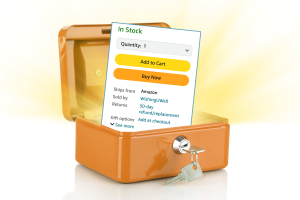
Unlocking the Amazon Buy Box 🔒

In the competitive world of Amazon, the Buy Box represents a coveted opportunity for sellers to significantly boost their sales and, ultimately, their profits. But what exactly is the Amazon Buy Box, and how can sellers optimize their listings to win it?

Read More »

Amazon Brand Store Content

Amazon A+ Content